






SleekPixel for garden designers: portfolio pins from project posts
Garden design lives on Pinterest. Project aspect, garden style, planting palette, bloom window, and country already sit on each planting plan post. SleekPixel renders each project as a 1000 by 1500 vertical pin the moment the plan is saved, with the hero photo composited in.
♾️ Lifetime License available
From planting plan post to pinnable portfolio asset
Garden designers are quietly Pinterest-dependent. A homeowner planning a south-facing border in March is not on Instagram, they are on Pinterest searching for cottage borders that bloom May to September. Every pin a studio publishes today still surfaces eighteen months later when the next homeowner starts planning. The bottleneck is not the planting plan, it is the consistent vertical pin that makes a portfolio of projects searchable as a body of work.
SleekPixel reads the WordPress planting plan post directly. aspect, garden_style, palette_primary, palette_secondary, bloom_window, and country map straight into the pin template. The featured hero shot and an optional plan_drawing attachment stack into a portrait composition. Every save renders the pin at 1000 by 1500 with the studio credit line.
Update the bloom window after a season of observation, the pin refreshes. Add a new cottage border project, the pin exists the moment the plan is published. Refresh the studio identity, every project pin regenerates overnight. The garden design portfolio ships pins instead of pinning ad-hoc photos, and the visual identity holds across a hundred projects without anyone opening Affinity Designer.
Workflow
From planting plan post to pinned
Define the planting plan post type
Design the pin template
Connect the fields
{garden_style} and {palette_primary} into the template. SleekPixel renders on save and on every field update to the planting plan post.
Pin from the plan post
Output
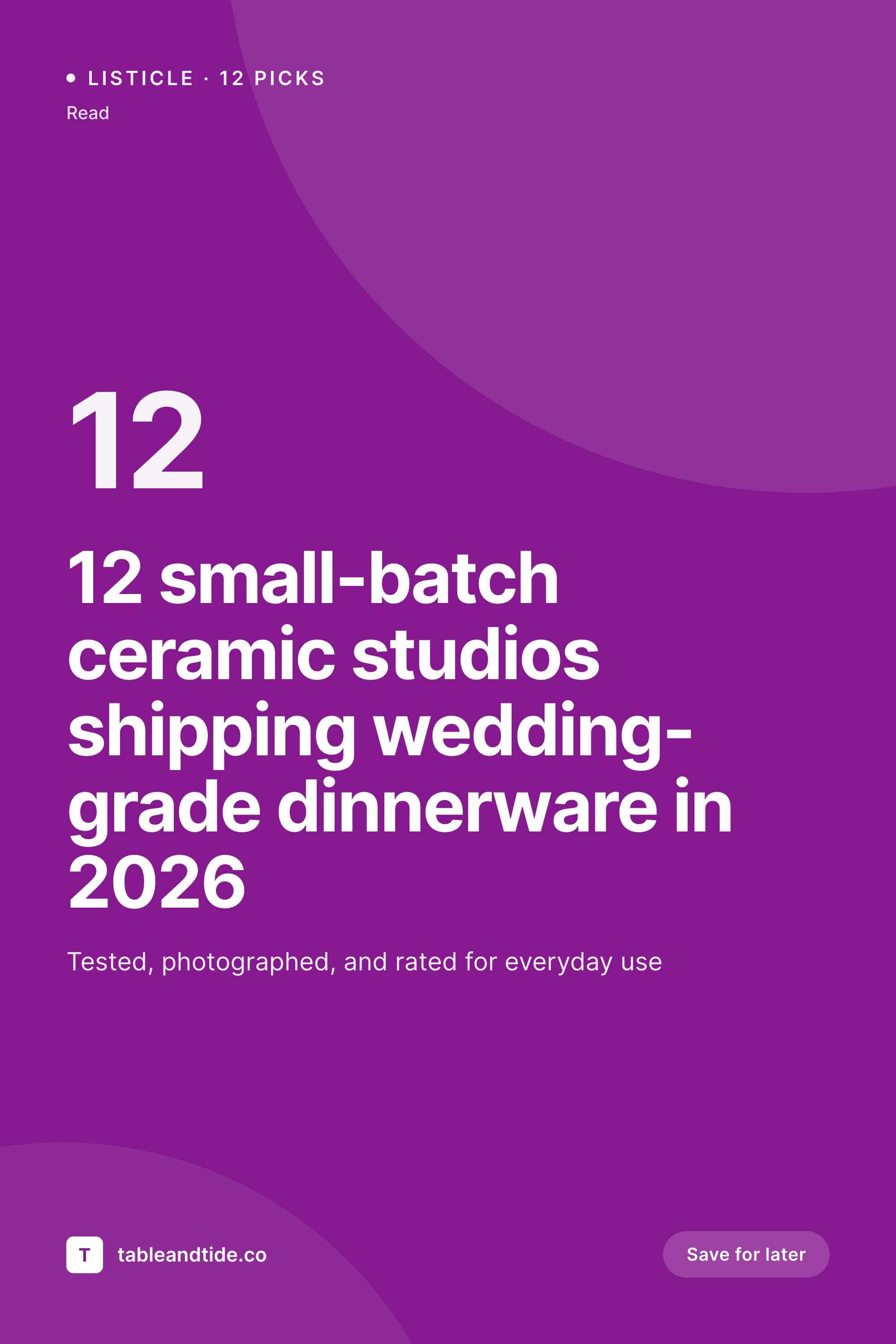
Sample pollinator border pin
A vertical Pinterest pin generated from one planting plan post, showing the hero photo with aspect, palette swatches, bloom window, and studio credit composited in.
Comparison
Manual Pinterest uploads vs SleekPixel for garden designers
Designer cropping in Canva
- Every new project means another half day rebuilding Pinterest pin assets by hand
- Vertical aspect ratio forgotten until Pinterest rejects a 4:3 photo at upload
- Aspect, style, and palette retyped per pin with inconsistent terminology each time
- Bloom window changes after a season, but the old pin keeps showing last year's data
- Studio rebrand requires opening every project pin file to update fonts manually
SleekPixel
-
Reads
aspect,garden_style,bloom_windowper plan -
Swatches render from
palette_primaryandpalette_secondaryhex codes - Pinterest-correct 1000 by 1500 dimensions enforced at render time on every pin
- Plan drawing attachment composites alongside the hero photo when provided
- Bulk regenerate refreshes every project pin overnight after a studio rebrand
Features
What SleekPixel gives you for garden designer
Palette swatches from fields
Add palette_primary and palette_secondary hex codes to the planting plan post. SleekPixel renders the matching swatches into the pin so the color story is visible at thumbnail size in a Pinterest grid.
Bloom window callout
A bloom_window field like May to September renders as a tagged callout on the pin. Homeowners searching for early-spring or late-summer borders recognize the seasonal fit before clicking through to the studio site.
Garden aspect badge
Garden aspect, north-facing, south-facing, partial shade, full sun, renders as a badge from an aspect field. The badge matches Pinterest search behavior, which is aspect-driven for serious garden planners.
Use cases
Where this fits a garden design studio
Solo designer studios
A single designer with 15 to 30 projects a year needs the visual system more than the team. Templates remove the per-project Pinterest design tax that eats Friday afternoons.
Multi-designer practices
Each designer's planting plans look like the studio. Field-driven templates enforce brand identity across cottage gardens, modern courtyards, and large country plots without manual review.
Pinterest-first studios
Pin volume drives Pinterest reach. Removing the per-pin design friction lets a studio ship five pin variants per project instead of one, compounding visibility over years.
The bigger picture
Why Pinterest is the garden designer's funnel
Pinterest behaves differently from every other social platform for garden design. A pin uploaded in March still surfaces the following January when the next homeowner starts planning. Garden design inquiries follow that long tail more than almost any other industry, which is why a studio's Pinterest profile is usually a stronger top-of-funnel asset than the studio website.
The catch is that Pinterest rewards volume and visual consistency. A studio that pins one image per project loses to a studio that pins five variants per project, each tagged for aspect, style, and bloom window. That ratio is impossible to maintain by hand without a full-time social hire.
Field-driven pin rendering removes the bottleneck entirely. Every new project ships five well-formatted pins. Every old project gets re-rendered when the studio's identity evolves.
The studio compounds Pinterest reach the same way it compounds a portfolio of completed gardens. Designers stop being graphic designers in their off hours and stay designers of plant communities, which is what the clients actually hired them to do.
Questions
Common questions about SleekPixel for garden designer
Yes. Create several pin templates that each pull from the same plan post. One can focus on the wide shot, another on a single plant detail, another on the palette swatches. All render together when you save the post.
Not directly. SleekPixel renders the image and exposes it on the planting plan post. Pinterest scheduling tools like Tailwind can pull the rendered image from the post URL and queue it for publication.
The template handles a missing hero photo by switching to a plan-drawing-only layout with the palette swatches and bloom window callout. The fallback applies automatically to any project missing the photo field.
Yes. Most portfolio plugins expose project entries as custom post types with fields. SleekPixel reads those fields the same way it reads any custom post type, so the existing portfolio data drives the pins.
The plan drawing itself stays where it is. Add the exported PNG or JPG to a plan_drawing attachment field on the project post, and the template composites the drawing alongside the hero photo on the pin.
You can use named color presets stored in the template instead of hex codes per project. SleekPixel reads either a hex field or a named preset slug and renders the swatch from whichever the post provides.
Yes. Bulk regenerate from the SleekPixel admin re-renders every project pin with the updated template. The pins on Pinterest update to the new design the next time Pinterest recrawls the URL.
Both work. The studio name sits as a static template element. A designer headshot can pull from an author_avatar field so multi-designer studios attribute the project correctly on the pin without manual edits.
Pricing
More than 1000+
happy customers
Explore our flexible licensing options tailored to your needs. Upgrade your license anytime to access more features, or opt for a lifetime license for ongoing value, including lifetime updates and lifetime support. Our hassle-free upgrade process ensures that our platform can grow with you, starting from whichever plan you choose.
Lifetime ♾️
Most popular
EUR
once
- Unlimited websites
- Lifetime updates
- Lifetime support
...or get the Bundle Deal
and save €250 🎁
The Bundle (unlimited sites)
Pay once, own it forever
Elevate your WordPress site with our exclusive plugin bundle that includes all of our premium plugins in one package. Enjoy lifetime updates and lifetime support. Save significantly compared to buying plugins individually.
What’s included
-
SleekAI
-
SleekByte
-
SleekMotion
-
SleekPixel
-
SleekRank
-
SleekView
€749
Continue to checkoutBrowse more
- Klaviyo email banner
- Audible audiobook cover
- Signal sticker pack
- Gumroad product covers
- Apple Podcasts covers
- Dribbble shot covers
- Threads profile banner
- Lens Protocol posts
- Facebook Marketplace images
- Odnoklassniki banners
- Twitter/X header
- KDP paperback cover
- Tidal cover art
- Douyin thumbnails
- Spotify playlist cover