






SleekPixel for field notes cards: render the field share automatically
Field notes are how researchers, naturalists, and field engineers report from the ground. The card rarely gets designed because the team is in the field, not at a Figma file. SleekPixel renders the card from the post fields on publish, so the share lands the same day as the observation.
♾️ Lifetime License available
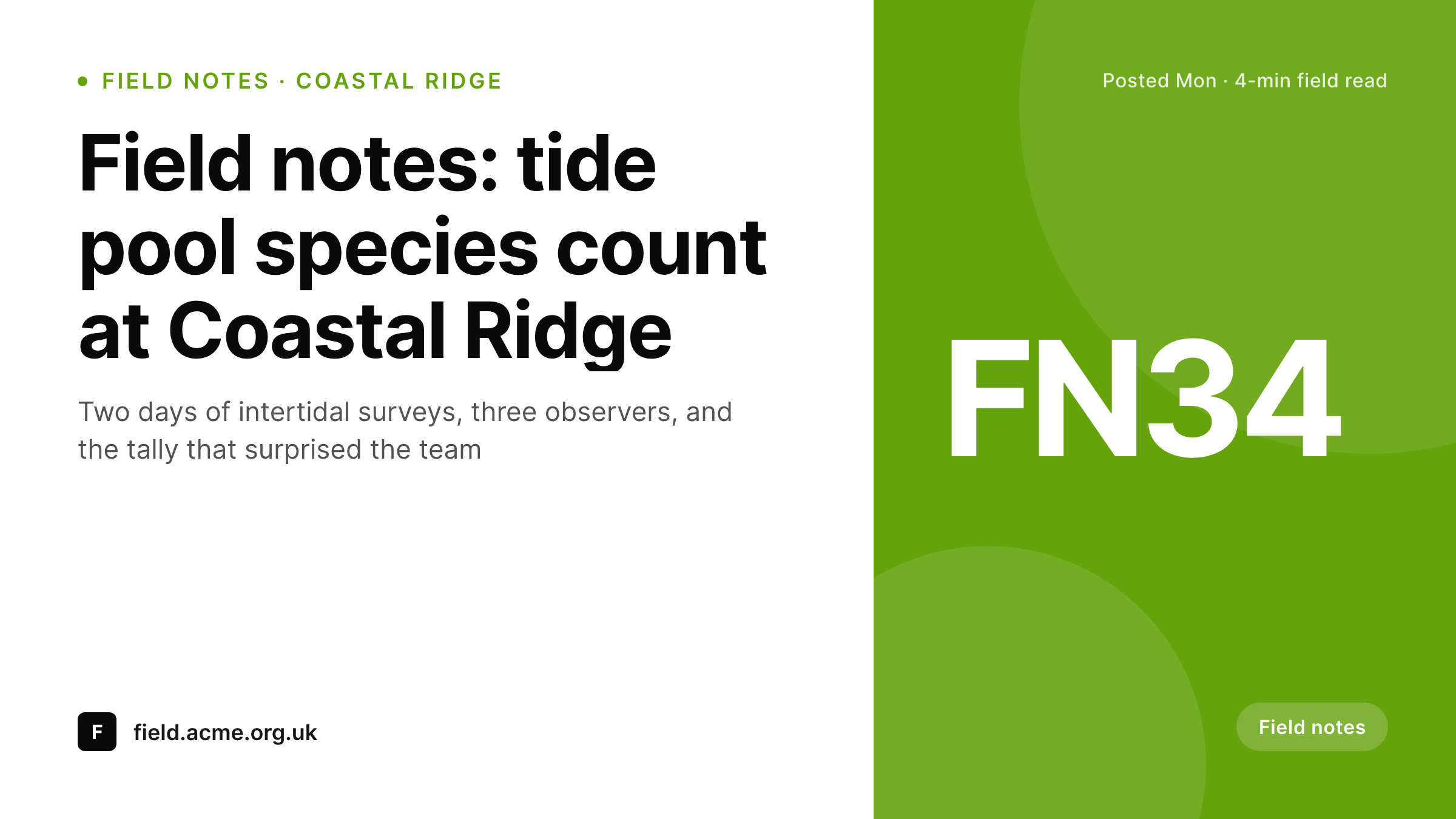
Field cards built from the field post, not the studio
Field notes are some of the most valuable content a research team can publish, because they capture a real observation at a real location on a real date. The audience that follows the team wants the location, the date, and the observation in a single glance on social. They almost never get it. The post ships from a laptop in a tent or a rental car. The card never gets designed. The note drops on X with the homepage logo and the audience scrolls past, missing both the location and the observation that made the team file the note in the first place.
SleekPixel binds the field notes card to the field post type. The template reads field_location, field_date, observer_count, and a key_observation short string. The post also carries a field_photo attachment for the observation shot. On save, a 1200x675 PNG is written into wp-content/uploads and the twitter:image meta tag is added to the post head. The field notes share carries the location, the date, the observer count, and the headline observation directly on the card.
The benefit lasts because the render is live. A field note from last season linked from a new paper or a popular thread still unfurls with the right location and the right date, because there is no Canva file to go stale.
Workflow
From field note save to live X card
Register field fields
field_location, field_date, observer_count, and key_observation to the field note post type via ACF, plus a field_photo attachment for the background.
Design the field template
Publish the field note
wp-content/uploads and the twitter:image meta tag is written into the post head ready for the share.
Share from the field
Output
Sample field notes X card layout
The Twitter card shows the field location, date, observer count, and the key observation phrase pulled from the field note post fields.
Comparison
Manual field card vs SleekPixel for field notes card
Manual graphic per field note
- Field team has no designer on the road and field notes ship without any share image
- Location and date on the card get retyped by hand and drift from the post body
- Key observation gets shortened to fit a static design instead of the field language
- Older field notes archive looks visually unrelated because each card was designed solo
- Researchers rarely re-edit a graphic so the share never matches a corrected observation
SleekPixel
-
Template binds to
field_location,date, andobservers -
Field photo pulled from the
field_photoattachment as a background layer - 1200x675 PNG rendered into uploads on every field post save, ready for X
-
twitter:imagemeta tag written automatically through the SEO plugin filter - Batch regenerate refreshes the field notes archive on a template change
Features
What SleekPixel gives you for field notes card
Location stamp on the card
The field location renders as a prominent stamp on the card. Coastal Ridge, Olympic Peninsula, or any other site reads at a glance, so the X audience knows where the note came from without clicking.
Field date in plain view
The field date renders alongside the location, so the audience reads when the observation was taken. Field notes lose their value if the date is unclear, and the card makes the date impossible to miss.
Observer count and team
The observer count renders as a small stat on the card, signaling how many researchers contributed to the observation. Solo observation reads differently from a three-person survey.
Use cases
Where the field notes card pays off
Researcher X share
The field post URL unfurls on X with the location, date, and key observation visible. The researcher's X copy can focus on the methodology question without re-listing the basics.
Field research newsletter
The same PNG drops into the monthly field newsletter as the lead image. Subscribers recognize the field card style across years of notes from the same team and field stations.
Citizen science share
Volunteer contributors can reshare the field notes card from their personal accounts. The card carries the project identity, so the volunteer reshare reads as part of the same field program.
The bigger picture
Why a templated field card sustains a research feed
A research team that files field notes regularly builds a feed of primary observations that becomes a reference for anyone tracking the same site or species over time. The reference works only if the field notes feed reads as one coherent body of work rather than a pile of one-off posts. Manual design effort cannot maintain that coherence because the team is in the field, not at a design tool, and the budget for a recurring designer on a research card workflow rarely exists.
Binding the card to the field note post lets the researcher file the note and the card together. The X share goes out the same day the observation is filed. Old field notes stay correct because the render is bound to the post fields, so a note from last year linked from a new paper still unfurls with the right location and date.
A rebrand or a new card variant applies to the full archive in one batch regenerate. The result is that the research team owns the field reporting surface, including the social card, with no recurring design dependency.
Questions
Common questions about SleekPixel for field notes card
Yes. The location field is a string, so latitude and longitude render the same way as a named site. The template can also display a small inset map by reading a coordinates field and generating a static map tile in the same render pass.
The template can read a species_counts repeater and render a small table on the card. Tide pool counts with six species and three counts per species fit cleanly into the 1200x675 layout without crowding the headline area.
No. The template falls back to a treated color background if no field photo is uploaded. The location stamp and observation block still read clearly. Photos are optional and improve the card but never block the render.
Yes. The date field accepts a range, and the template renders the range as a clear two-date strip on the card. A two-day intertidal survey reads as 'May 12 to May 13' rather than a single ambiguous date.
Editing the post triggers a regenerate. The PNG in uploads is overwritten and the same URL serves the corrected card. Reshares of the original X post pick up the corrected card on the next scrape of the URL.
The card itself is a static PNG so the link to iNaturalist or eBird lives in the X post body or in the field note post itself. The card communicates the observation and the post delivers the platform link.
Locally on save using a bundled headless browser. There is no third-party service involved, no per-render fee, and no monthly cap, which matters for research budgets that often run on grant funding.
No. SleekPixel injects the twitter:image through the same SEO plugin filter Yoast exposes, so only one twitter:image tag ends up in the head and it points at the freshly generated field notes PNG.
Pricing
More than 1000+
happy customers
Explore our flexible licensing options tailored to your needs. Upgrade your license anytime to access more features, or opt for a lifetime license for ongoing value, including lifetime updates and lifetime support. Our hassle-free upgrade process ensures that our platform can grow with you, starting from whichever plan you choose.
Lifetime ♾️
Most popular
EUR
once
- Unlimited websites
- Lifetime updates
- Lifetime support
...or get the Bundle Deal
and save €250 🎁
The Bundle (unlimited sites)
Pay once, own it forever
Elevate your WordPress site with our exclusive plugin bundle that includes all of our premium plugins in one package. Enjoy lifetime updates and lifetime support. Save significantly compared to buying plugins individually.
What’s included
-
SleekAI
-
SleekByte
-
SleekMotion
-
SleekPixel
-
SleekRank
-
SleekView
€749
Continue to checkoutBrowse more
- Lemmy post images
- Nostr note images
- Instagram ad images
- Fanvue page banner
- Rednote (Xiaohongshu) post
- Reddit subreddit banners
- Spotify Canvas
- KDP hardcover cover
- YouTube Shorts cover
- Mastodon profile banners
- Mastodon post images
- Bandcamp banner
- Apple Podcasts covers
- Instagram stories
- Instagram bio link banners