






SleekPixel for game developers and indie studios
Indie game studios live or die on the wishlist count. Every devlog needs a card that shows the new screenshot, the build number, and the wishlist link. SleekPixel pulls those fields straight out of the post and renders the card before the devlog goes live.
♾️ Lifetime License available
From devlog post to a wishlist-driving social card
Solo and small-team game devs ship updates constantly. New enemy, new biome, new screenshot. The marketing motion that actually moves the wishlist needle is the Twitter card with a clean shot and a clear hook, posted within minutes of the devlog going up.
The problem is that the cards rarely happen. Cropping a screenshot, pasting it into a Figma file, retyping the patch number, exporting at 1200 by 675, uploading. By the time it ships the devlog is already two days cold. SleekPixel reads the devlog post in WordPress and renders the card from the existing fields. The screenshot attached media slots into the hero zone, the build_version custom field becomes the version badge, the wishlist_url becomes the CTA strip. One save on the post produces the Twitter card, the OG image, and the optional Reddit thumbnail.
The template is built once. Every devlog inherits it, screenshot composition stays consistent, build numbers stay correct, and the post-to-tweet handoff drops from twenty minutes to thirty seconds.
Workflow
Build the indie devlog rollout once
Set up the devlog post type
Design the card template
Connect engine variants
Publish the devlog
Output
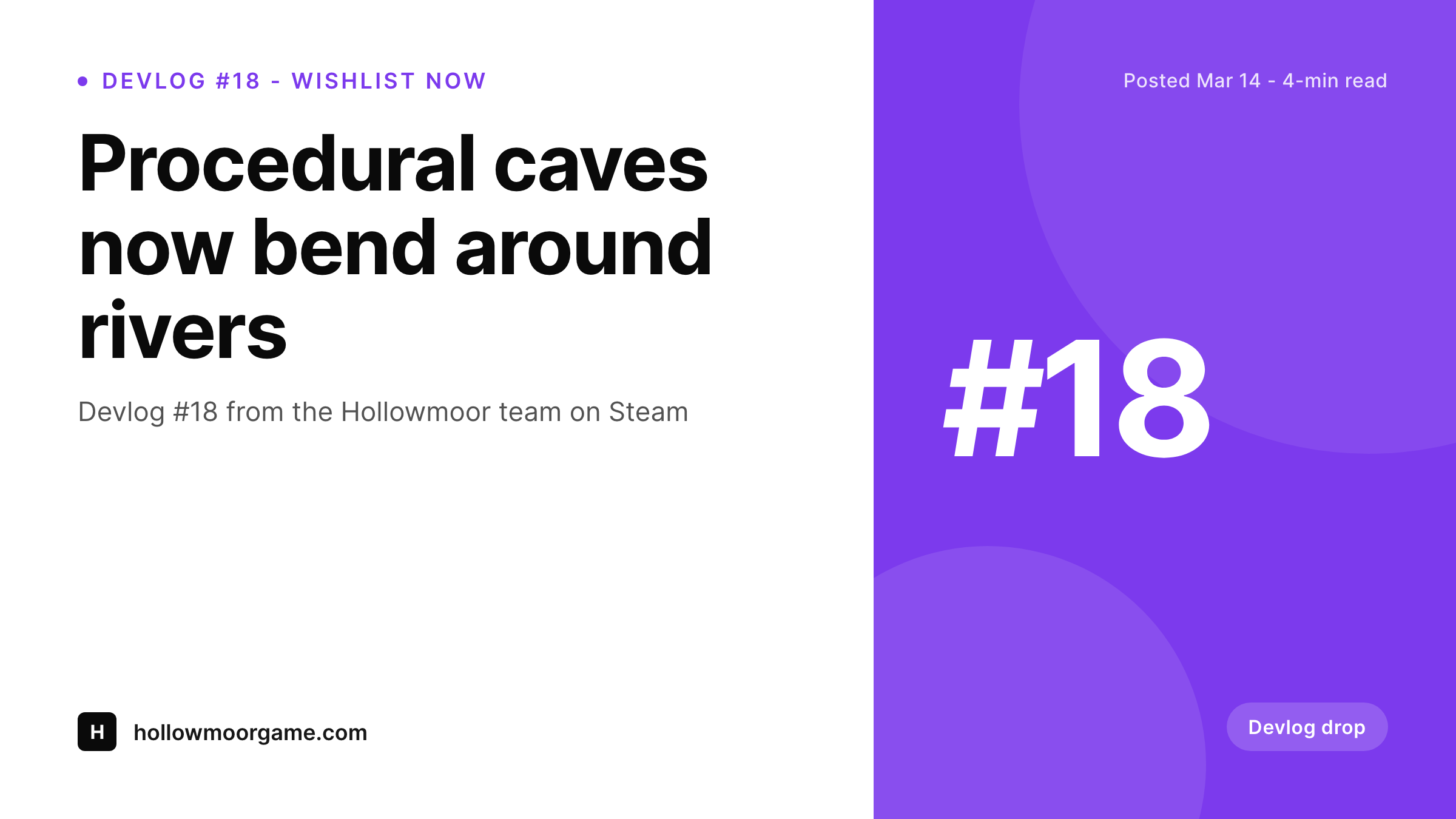
Sample devlog Twitter summary card
A 1200x675 Twitter summary_large_image card rendered from one devlog post's featured screenshot and the build_version custom field on the post.
Comparison
Manual devlog cards vs SleekPixel for game developers
Hand-cropped in Figma
- Every devlog requires another twenty-minute card design pass in Figma
- Screenshots get re-cropped each time, no consistent safe area
- Build version typed by hand on the card, wrong half the time
- Reddit, Twitter, and Discord need slightly different aspect ratios
- Stops happening entirely once the studio gets busy near launch
SleekPixel
- Twitter card, OG image, Discord embed from one devlog post
- Screenshot field auto-composited with the studio overlay frame
-
build_versionandwishlist_urlbaked into every card - Bulk-rerender after a rebrand without touching past devlogs
- Per-platform variant maps - Steam vs itch.io card different copy
Features
What SleekPixel gives you for game developer
Devlog-driven design
Template variables read directly from the devlog post type. Screenshot, patch notes excerpt, build version, and platform tags all flow into the card without leaving WordPress or opening a design tool.
Engine-tag presets
Tag a devlog with Unity, Godot, or Unreal and SleekPixel pulls the right engine badge. Small detail, but it signals what tooling the studio uses to the audience watching for tech tells.
Screenshot safe zones
Each platform's card frame respects safe areas so the screenshot never gets cut off by Twitter's hover state or Discord's preview crop. Composition stays usable across all formats.
Use cases
Where this fits indie game studio workflows
Solo devs shipping weekly devlogs
The card stops being a tax on shipping. Hit publish on the devlog, the Twitter card is already rendered and ready to attach to the tweet within the same minute.
Two-to-five person studios
A designer can build the template once, every team member's devlog still ships with the same visual identity without going through a designer bottleneck before posting.
Pre-launch wishlist pushes
Daily countdown devlogs in the final two weeks get rendered in batch. Card design isn't the bottleneck on the wishlist sprint or the daily Steam page tease.
The bigger picture
Why card visuals decide indie game launches
Steam wishlists are the leading indicator for a successful launch, and most wishlists come from Twitter, Reddit, and Discord visibility long before the launch trailer. Each post on those platforms is a chance to convert a viewer into a wishlist add, but only if the card hooks them in the first half-second of scroll. Studios that ship consistent, on-brand cards every devlog compound visibility across a one-to-two-year run-up.
Studios that skip the cards because the design tax is too high lose the compounding entirely. The screenshot is already in the WordPress post. The build version is already in the meta.
Rendering a card from those fields is a five-millisecond operation that, repeated weekly for a year, is the difference between launching with two thousand wishlists and twenty thousand. The systematic side of game marketing matters more than the heroic side, and templated cards are the most leveraged systematic upgrade a solo dev or small team can make.
Questions
Common questions about SleekPixel for game developer
Yes. The featured image is the default screenshot source, and you can override it with a custom field per devlog if the post has multiple screenshots and you want a specific one on the card instead of the featured.
Yes. Set up variant templates with platform-specific copy, safe zones, and CTAs. Each devlog renders all variants on save, and the sidebar shows each one ready to download for the right platform.
SleekPixel renders static images. For animated previews, use SleekPixel for the static fallback and add the GIF in your Twitter scheduler. Most analytics suggest static wins on engagement anyway in the devlog category.
The template is the source of truth. Update the studio logo, the gradient, or the badge once, then bulk-rerender every past devlog so the back catalog stays on-brand without touching individual posts.
Yes. Custom post types and theme-defined fields are first-class. Map the theme's field names into SleekPixel's template variables and the cards render from the existing data without migrating it.
Not natively. SleekPixel renders from WordPress data, and Steam wishlist counts aren't exposed via API. If you pull them into a custom field via a script, the field becomes available as a template variable for the card.
SleekPixel is a WordPress plugin, so the post needs to be in WordPress. Many studios run a WordPress blog alongside a Steam page or static landing site, and devlog cards generate from the WordPress side just fine.
Under two seconds for a single card, around six seconds for the full Twitter, OG, and Discord variant set. Rendering happens in the background so you can keep editing the post without waiting for the render.
Pricing
More than 1000+
happy customers
Explore our flexible licensing options tailored to your needs. Upgrade your license anytime to access more features, or opt for a lifetime license for ongoing value, including lifetime updates and lifetime support. Our hassle-free upgrade process ensures that our platform can grow with you, starting from whichever plan you choose.
Lifetime ♾️
Most popular
EUR
once
- Unlimited websites
- Lifetime updates
- Lifetime support
...or get the Bundle Deal
and save €250 🎁
The Bundle (unlimited sites)
Pay once, own it forever
Elevate your WordPress site with our exclusive plugin bundle that includes all of our premium plugins in one package. Enjoy lifetime updates and lifetime support. Save significantly compared to buying plugins individually.
What’s included
-
SleekAI
-
SleekByte
-
SleekMotion
-
SleekPixel
-
SleekRank
-
SleekView
€749
Continue to checkoutBrowse more
- LinkedIn banner images
- LinkedIn company banners
- VSCO cover
- Rumble thumbnails
- podcast cover art
- Shopify collection banners
- YouTube Shorts covers
- KDP paperback cover
- Klaviyo email banner
- Spotify playlist cover
- Snapchat snap images
- Vimeo channel banners
- YouTube banner art
- Mailchimp email banner
- Facebook cover photos