






SleekPixel for Pods custom content types
Pods lets non-developers register custom content types with custom fields through a UI. Each Pod is a standard WordPress CPT and the fields write to wp_postmeta with the keys defined in the Pods UI. SleekPixel reads those Pods and renders per-Pod share cards on save.
♾️ Lifetime License available
Pods content types are first-class WordPress CPTs
Pods Framework lets non-developers register custom content types, taxonomies and fields through the WordPress admin. Each registered Pod is stored as a standard WordPress custom post type with rows in wp_posts. Pod fields write to wp_postmeta under whatever meta keys the Pods UI configured. Pods also support extending built-in objects like users, comments and taxonomies, all with the same field model.
SleekPixel reads the Pods registry through the Pods API and exposes each registered Pod as a separate template scope. A 'Recipe' Pod, a 'Property' Pod and a 'Course' Pod each get their own SleekPixel template, with their own field mappings to the right Pods meta keys. Pods relationships resolve to related post IDs that SleekPixel can dereference for cross-Pod data.
The 1200 by 630 PNG lands in uploads on every Pod save. The SEO plugin's og:image filter publishes the URL into the post head, and scrapers see a share that reflects the actual Pods field values on every entry update.
Workflow
Pods to per-Pod share cards in four steps
Install on a Pods site
Build a template per Pod
Save a published Pod entry
save_post. SleekPixel renders the share card for that Pod to uploads with the entry's actual field values across all the Pod's configured fields on every save.
Share the entry URL
og:image filter. Each Pod entry shares with its own card design.
Output
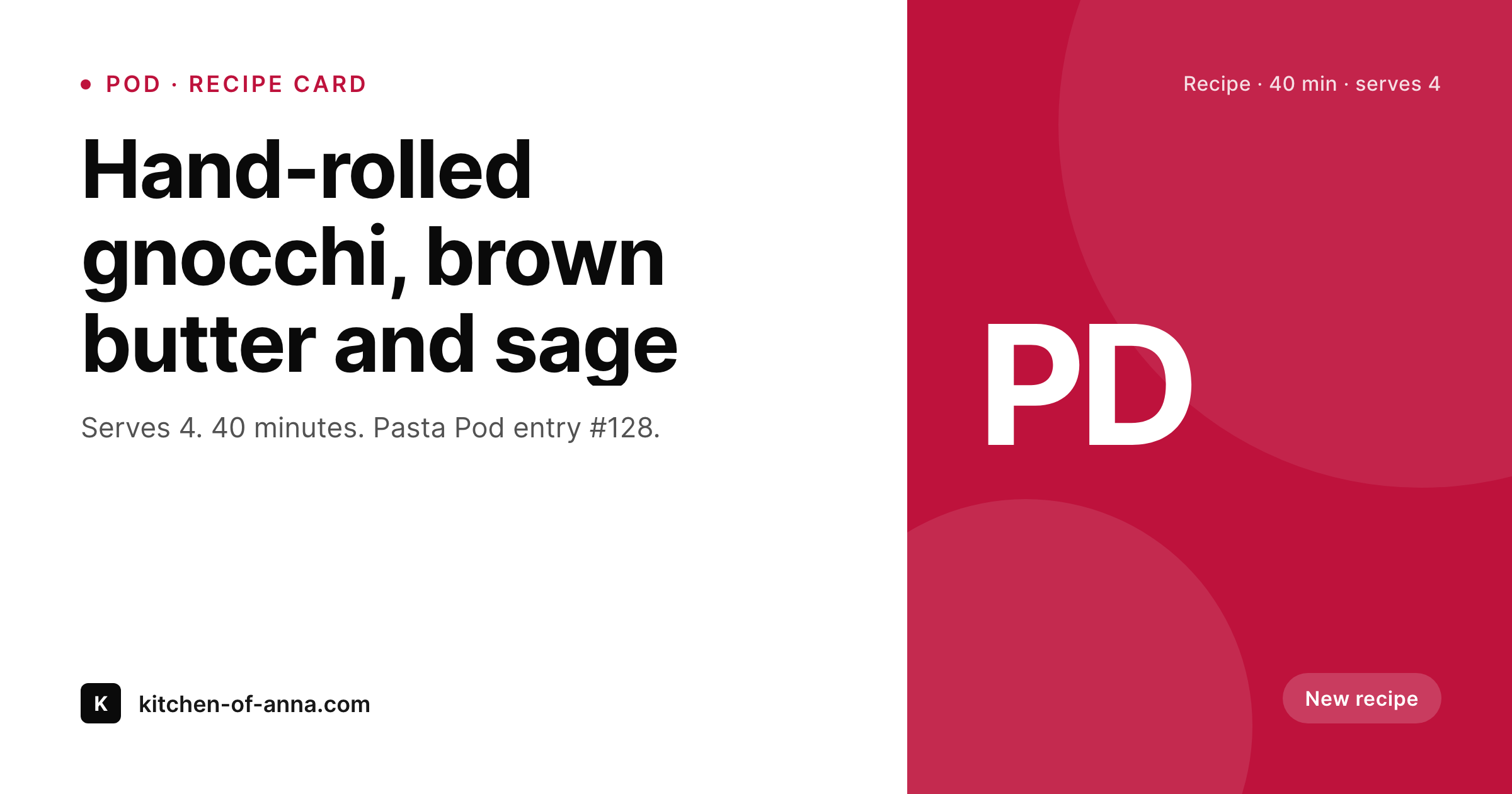
Sample Pods Recipe card share
Rendered from a Pods Recipe entry with custom fields for servings, total time, and featured image, plus the standard post title.
Comparison
Default Pods share vs SleekPixel for Pods
Logo on every Pod entry
- Pods custom field values never reach the og:image meta on shares
- Recipe servings and times invisible to scrapers across the site
- Same site logo on every Pod entry URL regardless of content type
- Pods templates render on page but not in share previews
- Editing a Pod entry does not refresh the share card scrapers see
SleekPixel
- Reads Pods content types through the Pods Framework PHP API
-
Pulls Pods custom fields from
wp_postmetaby configured key - Renders separate share card templates per registered Pod
- Refreshes on every Pod entry save, including relationship updates
- Works with Pods Pro features like advanced fields and migrations
Features
What SleekPixel gives you for Pods
Pods registry aware
The plugin reads the Pods registry through the Pods API and offers a separate template scope per registered Pod, so each content type can have a share card design tailored to its editorial format.
Custom field mapping
Pods custom fields map to template slots by their configured meta key, so any field type Pods supports can feed the share card directly without manual exports or scripts.
Refreshes on every save
The render hook fires on save_post for every Pod entry, so editing any Pod custom field through the standard post editor refreshes the share card automatically without any extra publish step.
Use cases
Where Pods-built content sites benefit most
Recipe and food sites
Recipe Pods need per-recipe share cards naming the dish, the time, and the serving count. Same site logo across every recipe makes the food blog invisible on social.
Directory and listing sites
Directory sites built on Pods need per-listing share cards. Business directories, event calendars and member profiles all benefit from per-entry preview.
Multi-Pod content sites
Sites with multiple Pods get per-Pod share cards so the share matches the editorial format of each content type, from reviews to profiles to interviews.
The bigger picture
Why Pods sites need per-Pod share cards
Pods exists because WordPress sites need custom content types beyond the default post and page. Recipes, properties, events, member profiles and product reviews are all Pods in the typical Pods install. Each Pod has its own field schema.
The reason editors use Pods is that the content is structurally different from a blog post. Sites that ignore per-Pod share cards waste that structure at the share level. Every Pod entry shares with the same site logo, regardless of whether it is a recipe or a property listing.
SleekPixel restores the per-Pod signal. Each Pod gets its own template, its own field mappings and its own visual style. Shares of a recipe preview the recipe.
Shares of a property preview the property. The cost is one license. The benefit is per-Pod share previews on every Pods entry URL the site ships.
Questions
Common questions about SleekPixel for Pods
Both. SleekPixel reads the Pods registry and field meta directly through the Pods API. The Pods Pro features (advanced field types, migrations) work when present but are not required for the basic per-Pod share card to render.
Yes. Pods supports many field types (text, number, date, taxonomy, relationship, file). All of them write to wp_postmeta in a readable form. SleekPixel handles each type with sensible formatting per slot.
Yes. Pods relationship fields store related post IDs in postmeta. SleekPixel dereferences them so a Recipe Pod entry can pull author data from its related Author Pod entry into the share card on every save.
No. SleekPixel writes the PNG and exposes the URL through a filter. Yoast accepts the URL as the og:image input, so Yoast still emits the meta tag for the scraper on every Pod entry.
Yes. That is the default. Each registered Pod gets its own SleekPixel template scope. A Recipe Pod and a Property Pod can use completely different share card designs on the same site.
Pods can extend users, comments and taxonomies through the Pods Framework. SleekPixel focuses on the post-type extension path, where each Pod entry has its own public URL the scraper can crawl and preview.
No. The render runs on save_post in the background. Bulk Pod imports trigger share card renders in the background too, and the queue clears after the import finishes, no admin blocking observed.
Yes. Repeatable Pod fields store as arrays in postmeta. SleekPixel can access an entry by index or aggregate the array (count, sum, join) into a single template slot inside the share card layout.
Pricing
More than 1000+
happy customers
Explore our flexible licensing options tailored to your needs. Upgrade your license anytime to access more features, or opt for a lifetime license for ongoing value, including lifetime updates and lifetime support. Our hassle-free upgrade process ensures that our platform can grow with you, starting from whichever plan you choose.
Lifetime ♾️
Most popular
EUR
once
- Unlimited websites
- Lifetime updates
- Lifetime support
...or get the Bundle Deal
and save €250 🎁
The Bundle (unlimited sites)
Pay once, own it forever
Elevate your WordPress site with our exclusive plugin bundle that includes all of our premium plugins in one package. Enjoy lifetime updates and lifetime support. Save significantly compared to buying plugins individually.
What’s included
-
SleekAI
-
SleekByte
-
SleekMotion
-
SleekPixel
-
SleekRank
-
SleekView
€749
Continue to checkoutBrowse more
- Buy Me a Coffee banners
- Signal sticker pack
- Pinterest Idea Pins
- X list banners
- Instagram ad images
- Snapchat ad images
- YouTube Shorts thumbnails
- Instagram highlight covers
- Twitch overlay
- Threads story-style images
- Twitch schedule banners
- Bluesky link cards
- Twitch alert
- YouTube end screens
- Etsy cover photos