






SleekPixel for Dokan Multivendor: per-vendor OG cards
Dokan-powered marketplaces have hundreds of vendor stores, each with its own page. SleekPixel reads vendor user meta and Dokan's product associations to render a per-store OG card with the vendor name, product count, rating, location, and verified status, so every shared store URL previews as the right store.
♾️ Lifetime License available
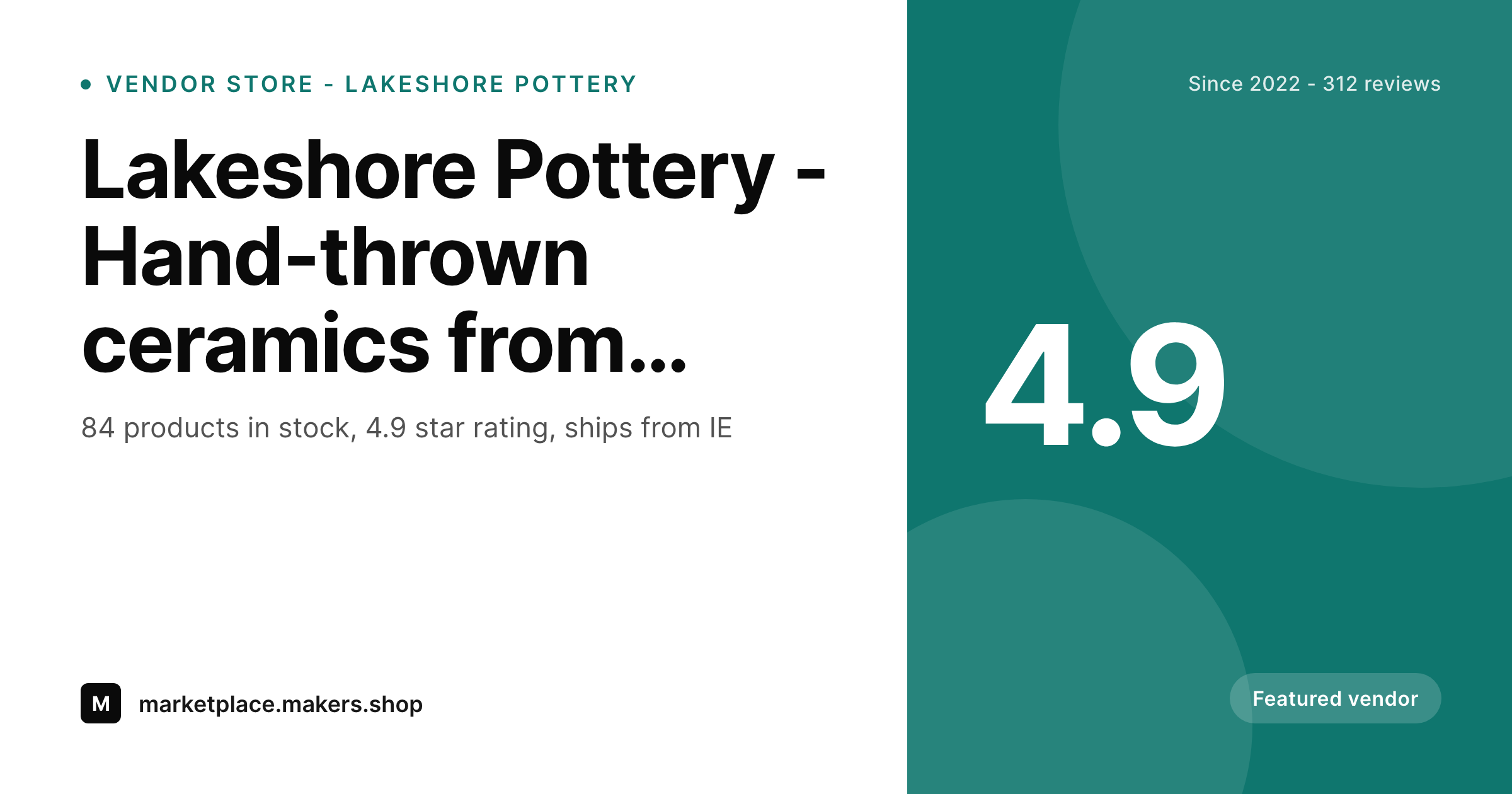
Vendor store URLs that name the actual vendor
Dokan, the multivendor marketplace plugin from weDevs, builds vendor stores on top of WooCommerce by giving sellers a custom user role (seller) and a per-user store profile. The store data lives in user meta: dokan_profile_settings (banner, address, social links), dokan_store_name, dokan_enable_selling, and product association via the post_author column on wp_posts.
Marketplaces typically have dozens or hundreds of vendor stores. When a customer or vendor shares a store URL on social or in a review post, the default preview is the marketplace's site-wide OG image. So 'Lakeshore Pottery' and 'Brookline Coffee Roasters' both preview with the same generic marketplace logo, even though they sell completely different things from different places.
SleekPixel reads the vendor's dokan_profile_settings, counts their products with WHERE post_author = X AND post_type = 'product', and pulls average rating from the WooCommerce review meta. Each store URL gets a per-vendor card with the actual store name, product count, rating, and a vendor-chosen accent color.
Workflow
From vendor profile to share-ready card
Target Dokan vendor store URLs
/store/{vendor} by default) and SleekPixel hooks into the same route for OG image binding.
Map vendor user meta
dokan_profile_settings keys: store name, banner, address, social links. Add product count and rating as derived fields.
Refresh on vendor and product changes
Share the vendor store URL
Output
Sample Dokan vendor card
Rendered from real dokan_profile_settings user meta and the vendor's product count from wp_posts.
Comparison
Generic marketplace OG vs SleekPixel for Dokan
Same marketplace logo on every vendor URL
- Every vendor store URL previews with the same marketplace logo
- Product count and rating never appear in the share preview
- Vendors cannot brand their share previews with their own store accents
- Featured-vendor and verified status are invisible from shares
- Marketplace operators handle manual banner design for vendor highlights
SleekPixel
-
Reads vendor
dokan_profile_settingsuser meta per store -
Product count via
post_authorjoin on the products table - Average rating from WooCommerce product review aggregates
- Vendor-chosen accent color and store banner used in the card
- Verified, featured, and active states drive distinct badges
Features
What SleekPixel gives you for Dokan Multivendor
Vendor branding in the card
Vendors who configure a store banner, logo, and accent color in dokan_profile_settings see their branding flow into the OG card. The marketplace stays cohesive while individual stores express identity.
Product count and rating
The card shows the vendor's current product count and average review rating. Both are live: when the vendor adds products or earns reviews, the card refreshes on a scheduled job.
Featured and verified badges
Marketplace operators can mark vendors as featured or verified. Those badges render on the card so customers see the trust signal before they click through to the store.
Use cases
Where Dokan marketplaces benefit most
Marketplaces with 50+ vendors
Beyond a few dozen vendors, identical previews become a discovery problem. Per-vendor cards turn a flat directory into a recognizable grid in shares and feeds.
Vendors sharing their own store URL
Vendors post their store URL constantly on Instagram, Etsy alternatives subreddits, and craft Discord servers. Per-vendor cards turn these shares into real branding.
Featured-vendor promos
Featured-vendor weeks become a visual campaign across all shared store URLs without manual banner design. The featured badge appears on the card automatically.
The bigger picture
Why per-vendor previews drive marketplace discovery
Marketplaces succeed when vendors can market themselves. Dokan gives vendors their own store URL, but the share preview was always the marketplace's, not the vendor's. So a small ceramics studio's careful Instagram post linking their store still previewed with a generic marketplace logo, breaking the vendor's brand the moment the URL got shared.
With SleekPixel, the preview matches the store. The vendor's logo, banner color, product count, and rating all render on the OG card. Vendors who care about their brand stop having to screenshot product photos and post them separately, the link itself does the work.
Marketplace operators benefit too: featured vendors become a visible campaign across thousands of shared URLs without designing anything. Trust signals like verified badges appear on every preview. Dokan stored all of this in user meta already.
The marketplace just needed the data composed into a card and written to og:image. The result is more discovery, more vendor satisfaction, and a marketplace that markets itself.
Questions
Common questions about SleekPixel for Dokan Multivendor
The vendor dashboard is admin-side and not typically shared on social, so card generation focuses on the public store URL. The dashboard URL can keep the generic marketplace OG image.
Indirectly. Vendors customize their store profile (banner, accent color, social links), and those values flow into the card template. The marketplace operator controls the template layout itself.
Product count comes from a query on post_author and post_type = 'product'. For vendors with hundreds of products, the count caches per day and refreshes on bulk product changes.
WooCommerce stores aggregate ratings in product meta. The vendor average is computed by averaging across the vendor's products, weighted by review count. A daily cron updates the value.
Yes. Vendor subscription level (Free, Pro tier) is meta on the vendor user, and the card can render a 'Pro vendor' or 'Verified' badge based on the tier.
Vendors with dokan_enable_selling set to no render with a 'Currently closed' badge or skip card generation entirely, depending on operator preference.
Each multivendor plugin stores vendor data differently, so the SleekPixel template is configured per-plugin. A marketplace running both would need separate templates targeting each store URL pattern.
No. Image generation runs in a few hundred milliseconds after save. Bulk regeneration after a template change runs through Action Scheduler in the background.
Pricing
More than 1000+
happy customers
Explore our flexible licensing options tailored to your needs. Upgrade your license anytime to access more features, or opt for a lifetime license for ongoing value, including lifetime updates and lifetime support. Our hassle-free upgrade process ensures that our platform can grow with you, starting from whichever plan you choose.
Lifetime ♾️
Most popular
EUR
once
- Unlimited websites
- Lifetime updates
- Lifetime support
...or get the Bundle Deal
and save €250 🎁
The Bundle (unlimited sites)
Pay once, own it forever
Elevate your WordPress site with our exclusive plugin bundle that includes all of our premium plugins in one package. Enjoy lifetime updates and lifetime support. Save significantly compared to buying plugins individually.
What’s included
-
SleekAI
-
SleekByte
-
SleekMotion
-
SleekPixel
-
SleekRank
-
SleekView
€749
Continue to checkoutBrowse more
- Beacons.ai banner
- TikTok Now image
- Mailchimp email headers
- Amazon Storefront banners
- LinkedIn ad images
- Twitch starting soon screen
- YouTube end cards
- YouTube Shorts cover
- Substack podcast cover
- Twitch alert
- YouTube Shorts thumbnails
- Threads post images
- X community banners
- Reddit subreddit banners
- Bluesky profile banners