






SleekPixel for vineyards
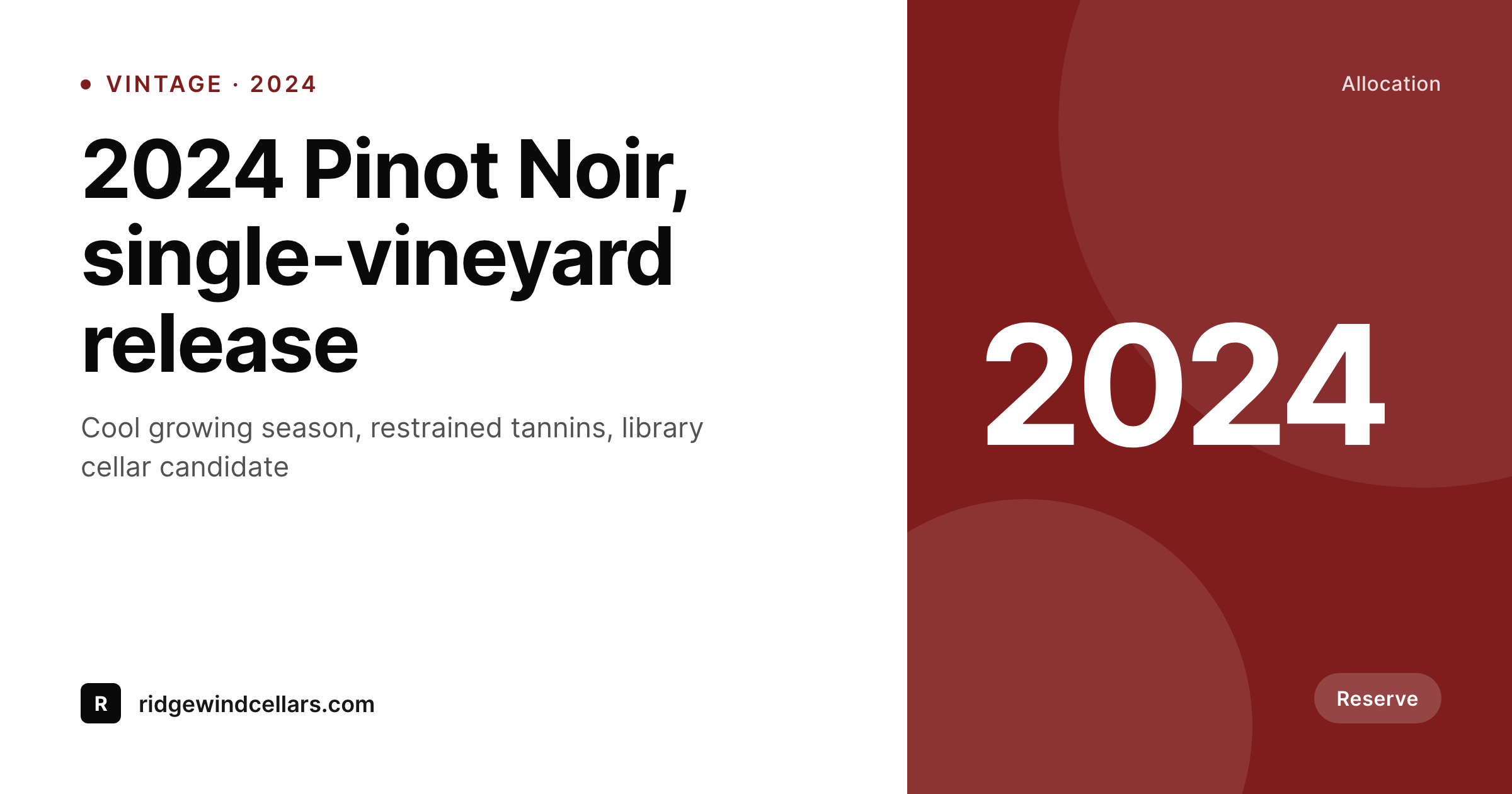
Vintage release pages already carry varietal, year, vineyard block, and tasting notes. SleekPixel pipes those fields into a 1200x630 OG card so every release announcement, allocation email, and tasting event share opens on-brand.
♾️ Lifetime License available
Vineyard marketing is built on vintage storytelling
Boutique vineyards sell wine through narrative. The 2024 Pinot from the upper block was a cool growing season, picked late, restrained tannins, drinks well in 5 years. That story matters more than the score, more than the price tier, more than the medal on the bottle. Vineyard websites carry the story in long release notes, vintage retrospectives, and winemaker interviews. The story converts club members into multi-bottle buyers and casual tasters into mailing list subscribers.
The story rarely survives the link share. A vineyard sends an allocation email, a club member forwards it to a friend, the friend opens the email and sees a bare URL with a generic winery logo on the preview. Nothing communicates that this release is special, that the 2024 vintage is a notable departure, or that the cool season made this particular Pinot interesting. The forwarded link gets opened with low engagement and the conversion drops.
SleekPixel reads the vintage release fields on save and renders a 1200x630 OG card showing varietal, vintage year, vineyard block, and a tasting note line. The og:image meta updates with each release. The forwarded allocation email opens with '2024 Pinot Noir, upper block, cool vintage' on the preview. The story makes it past the unfurl into the friend's awareness, and the conversion improves.
Workflow
From release decision to forwarded allocation
Map the release schema
Design the vineyard template
Publish releases as usual
Mailing list shares it forward
Output
What gets generated per vintage release
A 1200x630 PNG showing varietal, vintage year, vineyard block, and a tasting note from the release page.
Comparison
Manual release graphics vs SleekPixel
Canva / Designer
- Each vintage release needs a hand-designed announcement graphic
- Allocation emails forward with bare URLs and generic logos on previews
- Library wine releases (older vintages back on sale) lack matching art
- Tasting events and harvest dinners need separate hand-built share images
- Brand refreshes leave older vintage pages with mismatched OG previews
SleekPixel
- Every vintage release saves with a 1200x630 OG image rendered from release fields
- Varietal, vintage year, vineyard block, and tasting note pull automatically
- og:image and twitter:image meta tags written to the head on save
- Bulk regenerate the entire library when a brand evolves or label changes
- Variants per varietal (Pinot, Chardonnay, Cabernet) trigger different visual treatments
Features
What SleekPixel gives you for vineyards
Vintage OG card
Every release page saves with a branded 1200x630 PNG. Varietal, year, and vineyard block pull from the release fields automatically.
Per-varietal styles
Pinot, Chardonnay, Cabernet, and rosé can each render with distinct accent palettes. Mailing list members learn to recognize varietals at the preview.
Event posts too
Harvest dinners, library tastings, vertical tasting events. Each event post renders an OG card with date, format, and reserved seating count.
Use cases
Where vintage OG cards drive allocation conversion
Vintage release pages
New release announcements get branded OG cards. Allocation emails forward with the vintage story visible in the preview, not buried in click-through.
Tasting events
Harvest dinners, library verticals, winemaker dinners. Each event post saves with a date-aware OG card for email and social shares.
Library releases
Older vintages back on sale get their own OG cards highlighting age and provenance. Library wine sells on context, and the preview carries the context.
The bigger picture
Why OG cards matter for vineyard allocation conversion
Boutique vineyard economics depend on the wine club mailing list. A 5,000-case operation might allocate 60% of production to club members, with the remaining 40% going to restaurant accounts and distribution. New club member acquisition is the lever that determines whether the vineyard grows or stays flat year over year.
The acquisition channel that works best is referral, where an existing club member forwards an allocation email to a wine-curious friend who joins to access the next release. The conversion event in that referral chain is the link unfurl in the friend's email or messaging app. A bare URL with a generic winery logo reads as another mass-market wine pitch and gets ignored.
A preview showing '2024 Pinot Noir, upper block, cool vintage' reads as a specific wine with a specific story and earns a click through to read more. The gap between those two outcomes is measured in club signups, which compound into multi-vintage allocations and become the financial foundation of the operation. For a vineyard releasing 8 to 12 wines per year across multiple vintages, hand-designing OG cards in Canva is theoretically possible but practically unsustainable for a tasting-room team focused on visitor hospitality.
Auto-rendering from the release schema collapses the work into the publish flow. The winemaker writes the release notes; the OG card generates from the data; the allocation email forwards with the story intact; the friend joins the club. Conversion lives at the unfurl, and the unfurl deserves more than a logo.
Questions
Common questions about SleekPixel for vineyards
Yes. Each wine SKU is a WooCommerce product, and SleekPixel reads product attributes (varietal, vintage, vineyard, tasting notes) into the template. The OG card renders on product save. Wine club allocations can pull from the same product schema.
Yes. A varietal taxonomy or product attribute drives the OG accent palette. Pinot Noir releases render in burgundy red; Chardonnay in straw yellow; rosé in salmon pink. Mailing list members learn to recognize varietals at the preview before reading the headline.
Library releases (older vintages back on the market) save with their own OG cards. The vintage year and library badge surface prominently on the preview. Useful for end-of-year library sales and vertical tasting promos.
Yes. A short tasting note field (one or two lines) surfaces on the OG card. Long-form notes stay on the release page itself. The card carries enough flavor to entice the click without overwhelming the preview.
Yes. A vineyard taxonomy can drive different visual treatments per estate. Releases from the upper block render with one accent; releases from the lower block render with another. Useful for vineyard groups managing multiple estates.
Yes. A bottles_remaining field can drive a scarcity badge ('Last 24 bottles', 'Allocated to club') on the OG card. The scarcity signal converts on the preview without requiring the click-through to see availability.
If the club platform integrates with WordPress (most do via WooCommerce Subscriptions or a custom integration), yes. SleekPixel reads the underlying WP product/post; the club platform handles the recurring billing. Both layers coexist cleanly.
WPML and Polylang both translate release pages per language. SleekPixel renders an OG image per translation, so the English Pinot release page gets English-text card; the German page gets a German one. International club members see correctly localized previews.
Pricing
More than 1000+
happy customers
Explore our flexible licensing options tailored to your needs. Upgrade your license anytime to access more features, or opt for a lifetime license for ongoing value, including lifetime updates and lifetime support. Our hassle-free upgrade process ensures that our platform can grow with you, starting from whichever plan you choose.
Lifetime ♾️
Most popular
EUR
once
- Unlimited websites
- Lifetime updates
- Lifetime support
...or get the Bundle Deal
and save €250 🎁
💎 Want everything forever? The All Access Pass is going away on 01.08.2026.
The Bundle (unlimited sites)
Pay once, own it forever
Elevate your WordPress site with our exclusive plugin bundle that includes all of our premium plugins in one package. Enjoy lifetime updates and lifetime support. Save significantly compared to buying plugins individually.
What’s included
-
SleekAI
-
SleekByte
-
SleekMotion
-
SleekPixel
-
SleekRank
-
SleekView
€749
Continue to checkoutBrowse more
- good vs bad cards
- growth experiment card
- chart explainer card
- GDPR update card
- Product Hunt launch card
- flash sale banners
- open startup cards
- transparency report card
- office hours card
- podcast mention card
- CCPA update card
- experiment recap card
- SOC 2 announcement card
- investor update card
- newsletter
- LinkedIn newsletter headers
- podcast cover art
- TikTok Now image
- YouTube channel banners
- Ko-fi banners
- Bluesky profile banners
- LinkedIn company banners
- WeChat Moments images
- Rumble thumbnails
- Rednote (Xiaohongshu) post
- Vimeo thumbnails
- Kick channel banners
- Pinterest Idea Pins
- Klaviyo email headers
- Mastodon link previews